Entry · Ref EKTSBUKD
Dental Crowns Oxnard CA: Strong, Natural, and Durable
- Posted
- 2026-09-28
- Last amended
- 2026-09-28
- Account
- @titustcik760
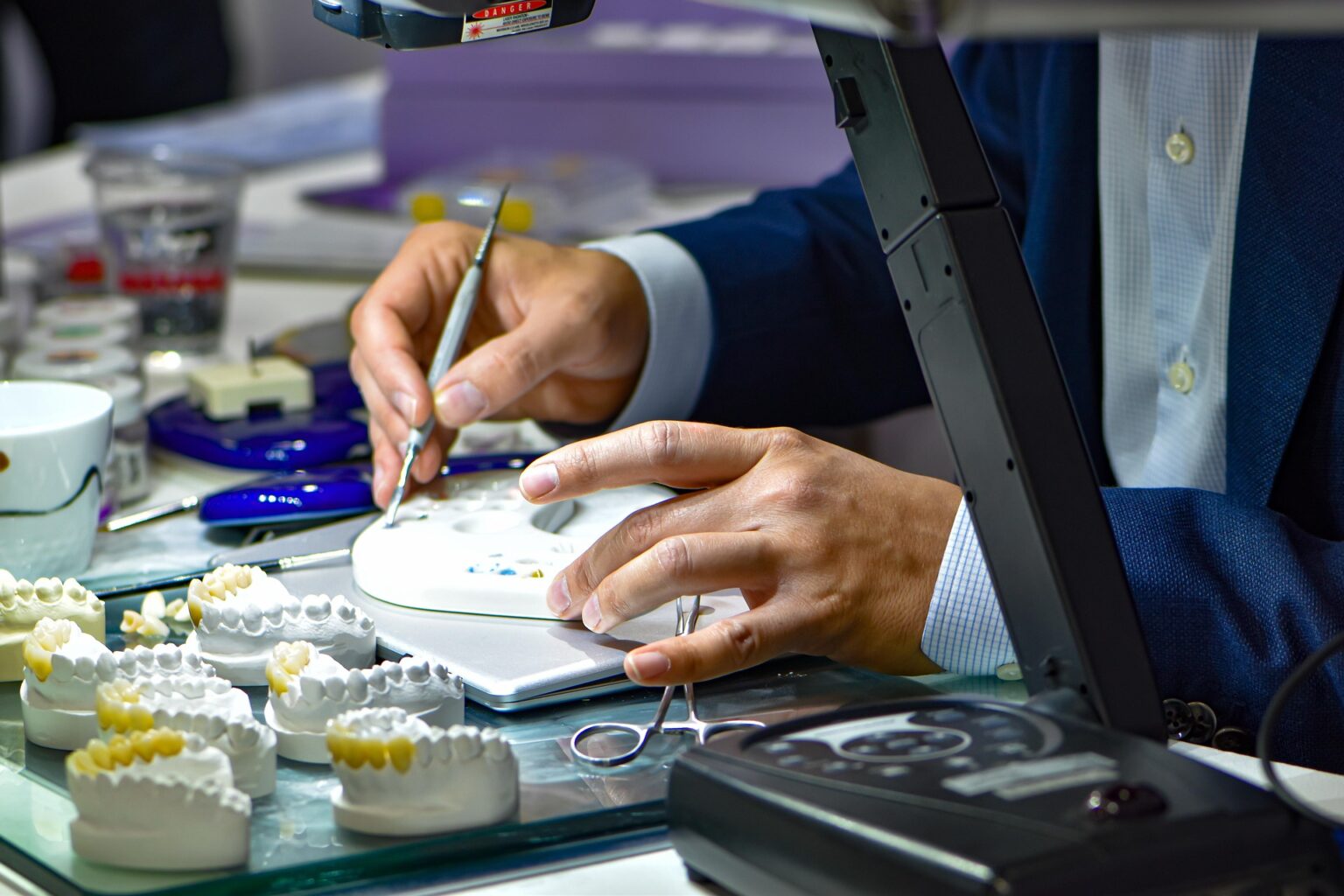

A well-made dental crown does two jobs at once. It protects a tooth that can no longer carry the full load of biting on its own, and it restores the way that tooth looks when you smile, speak, and eat. When both parts are done properly, the result feels almost uneventful, which is exactly the point. You stop thinking about the tooth.
That is why so many patients looking into Dental Crowns Oxnard CA are not just asking, “How much does it cost?” They are asking better questions. Will it feel natural? How long will it last? Will anyone notice it? Can it handle coffee in the morning, tacos at lunch, and a steak dinner on the weekend? Those are practical concerns, and they deserve practical answers.
Crowns have been part of restorative dentistry for a long time, but the materials, techniques, and design standards have improved dramatically. A crown today can be stronger, more lifelike, and more conservative than what many people picture when they hear the term. In the best cases, it blends with surrounding teeth so well that even close family members do not notice the difference.
What a dental crown actually does
A dental crown is a custom-made cap that covers the visible portion of a damaged tooth. It is used when a simple filling is no longer enough to support the tooth predictably. That can happen after a large cavity, a fracture, a root canal, severe wear, or the failure of an older restoration. Sometimes a crown is also used to improve shape and appearance when a tooth has become badly discolored or structurally compromised.
The goal is not merely to cover the tooth. The goal is to restore strength, function, and contour in a way that respects your bite and your gumline. If the crown is too high, chewing feels off. If it is too bulky, it traps food and irritates the tongue. If the color is wrong, it stands out every time you talk. Good crown work depends on detail, and the small details are what separate a crown that feels like part of you from one that always feels “dental.”
Many people are surprised to learn that a crown often saves a tooth that would otherwise continue to crack, break down, or become painful. Think of it as a protective shell shaped with precision. The remaining tooth still matters, but the crown redistributes force so that the weakened structure underneath is not doing more than it can handle.
When a crown makes sense, and when it might not
A crown is a strong solution, but it is not the right answer for every problem. If decay is small and the tooth still has plenty of healthy structure, a filling or inlay may preserve more natural enamel. If the crack extends too far below the gumline, or if the remaining tooth is too compromised, the long-term prognosis may be poor even with a crown. That is where judgment matters.
In everyday practice, crowns are often recommended in situations where the tooth is still very much worth saving, but the risk of doing less is high. A molar with a large old silver filling and thin side walls is a classic example. It may not hurt much today, but one hard bite on an olive pit or popcorn kernel can split it. Another common case is a root canal treated tooth. Once the nerve is removed, the tooth does not become “dead” in the dramatic sense people imagine, but it is more vulnerable to fracture because it has already lost structure from decay, access preparation, or both.
There are also cosmetic situations where crowns may be appropriate, though a conservative dentist should always weigh alternatives first. Veneers, bonding, or orthodontic correction can sometimes accomplish the same aesthetic goal with less reduction of tooth structure. Crowns shine when both beauty and reinforcement are needed at the same time.
Strength matters, but so does realism
Patients often ask whether crowns are “strong enough,” especially for back teeth. That is a fair concern, but strength by itself is not the whole story. A crown must be strong enough for the location, yes, but it also has to fit the bite, integrate with the gums, and match adjacent teeth. A crown that is technically hard yet poorly designed can still fail, chip, loosen, or create new problems.
Modern crowns are commonly made from porcelain, zirconia, porcelain fused to metal, or other ceramic systems. Each material has a personality. Zirconia is known for high strength and is often a good choice for molars or for patients who clench and grind. All-ceramic options can provide excellent translucency and esthetics, especially in visible front teeth. Porcelain fused to metal still has a role in some cases, though many patients prefer metal-free options when possible.
The best material depends on where the tooth sits, how much room exists between the upper and lower teeth, whether the patient grinds at night, and how visible the restoration will be when smiling. There is no universal “best crown” detached from context. A front tooth and a second molar live very different lives.
I have seen patients focus almost entirely on brand names or internet buzzwords, when the bigger predictor of success was proper preparation, bite design, and lab communication. Material matters, but execution matters more. A well-planned crown made from an appropriate material usually outperforms an expensive material chosen for the wrong reasons.
Why fit is everything
If you ask dental professionals what they care about most in a crown, fit will come up quickly. It is not the flashy part of the conversation, but it is the part that protects the tooth over time. The crown has to seat properly on the prepared tooth, with margins that adapt closely and contours that support gum health rather than inflame it.
A crown with an open margin can allow bacteria and saliva to seep underneath over time, increasing the risk of recurrent decay. A crown that is over-contoured can make cleaning difficult and contribute to chronic gum irritation. A crown that is slightly off in the bite can produce tenderness, jaw fatigue, or a nagging sense that “something is wrong,” even if the crown looks fine in the mirror.
This is one reason appointments for crowns involve more than taking a quick impression and sending it to a lab. Bite records, shade matching, retraction around the gumline, digital scanning or precise impression material, and careful temporaryization all matter. Patients do not always see that work, but they absolutely feel the difference later.
The process, from start to finish
For most people, getting a crown is straightforward. The tooth is examined, X-rayed when necessary, and evaluated for cracks, decay, and surrounding bone support. The dentist then numbs the area and reshapes the tooth so the crown can fit over it with proper thickness. Not every millimeter is removed casually. Good preparation balances retention, strength, and conservation of tooth structure.
After the tooth is prepared, a record is made so the final crown can be fabricated. In some offices that means digital scanning. In others, it may still involve a physical impression, which remains highly accurate in skilled hands. A temporary crown is usually placed while the final crown is being made, unless the office offers a same-day workflow.
Temporary crowns deserve more respect than they get. They protect the tooth, preserve spacing, and help maintain gum shape. If a temporary feels rough, loose, or high, it should not be ignored. Small problems with a temporary can turn into bigger frustrations at the seat appointment if not addressed.
When the final crown returns, the dentist removes the temporary, checks the fit, verifies contact with neighboring teeth, evaluates the bite, and confirms appearance. Once everything is right, the crown is cemented or bonded, depending on the material and clinical situation. There should be a clear reason behind each step. Crown work is routine, but it should never be casual.
Same-day crowns versus lab-made crowns
Patients often ask if same-day crowns are better than traditional crowns. The honest answer is that both can be excellent, and both depend heavily on the case.
A same-day crown can be convenient. There is one visit, no temporary in many cases, and no return trip. For busy professionals, parents, and patients who simply dislike dental appointments, that convenience is not trivial. If the tooth is relatively straightforward and the office has a strong digital workflow, same-day treatment can produce impressive results.
Traditional lab-made crowns still hold major advantages in certain situations. Complex esthetic cases, very challenging bites, unusual tooth color, and difficult gumline conditions may benefit from the extra craftsmanship of a skilled laboratory technician. There is an artistry to layered ceramics and contour refinement that can be especially valuable for front teeth.
Convenience should be weighed alongside complexity. For a back molar with adequate clearance, same-day may be ideal. For a single central incisor that defines your smile, many dentists and patients prefer the custom attention of a high-level lab case. The right choice is the one that matches the demands of the tooth, not the one with the slickest marketing.
How crowns look so natural now
The old fear that crowns always look opaque, bulky, or fake is rooted in older dentistry and in lower-quality work that still exists. Today, a natural-looking crown comes from understanding how real teeth interact with light. Teeth are not one flat color. They have subtle variation near the edges, depth beneath the surface, and changes in value from the gumline to the incisal edge.
A dentist who takes shade selection seriously will look beyond “white.” They will consider translucency, brightness, neighboring tooth character, and how the crown should look under different lighting. In especially visible cases, custom shading or photographs for the laboratory can make a meaningful difference.
Shape matters as much as shade. A crown can be the correct color and still look artificial if it is too square, too flat, too long, or too perfect compared with the natural irregularities nearby. Sometimes the most believable crown is not the most symmetrical one. It is the one that quietly belongs in the mouth it is going into.
Durability in the real world
When patients hear that crowns can last ten to fifteen years or longer, they often interpret that as a guarantee. It is not. Longevity depends on oral hygiene, diet, bite force, clenching, grinding, decay risk, and how the underlying tooth behaves over time. Some crowns fail early through no fault of the material. Others serve well for decades.
A patient who chews ice, opens packaging with their teeth, skips cleanings, and grinds at night without a guard will put very different demands on a crown than someone with a stable bite and excellent home care. The cement can wash out, decay can develop at the edge, porcelain can chip, or the underlying tooth can fracture. Those are real risks, though many are manageable or preventable.
What helps most is a combination of sound design and sensible habits. Crowns are durable restorations, not indestructible parts. They perform best when treated with a little respect.
A few habits make a significant difference over time:
- Brush carefully along the gumline, where plaque often collects around the crown margin.
- Floss daily and slide the floss through gently rather than snapping it down.
- Wear a night guard if you clench or grind.
- Avoid using teeth as tools for tearing, cracking, or opening things. Dental Crowns Oxnard CA
- Keep regular dental visits so small issues are caught before they become expensive ones.
Cost, value, and what patients are really paying for
Dental crowns are not cheap, and patients are right to ask why. The fee reflects more than the visible crown itself. It includes diagnosis, preparation, imaging when needed, anesthesia, materials, the temporary crown, the lab or milling process, the expertise required to shape the tooth correctly, and the time spent adjusting the final restoration so it functions well.
In the Oxnard area, fees can vary based on material, complexity, technology, insurance contracts, and whether additional treatment is needed first. A crown on a straightforward premolar is not necessarily the same case as a heavily restored molar that needs build-up work or root canal treatment beforehand. Price shopping without understanding scope can be misleading.
The better way to think about value is this: a good crown is often less expensive than postponing care until the tooth cracks deeper, becomes infected, or needs extraction and replacement. Saving a salvageable tooth is usually the most efficient option biologically and financially, provided the prognosis is sound.
Patients searching for Dental Crowns Oxnard CA should ask not only about fees, but about what is included, what material is being used, whether a build-up may be necessary, and what the alternatives are. A clear explanation is a good sign. Vague answers are not.
The connection between crowns and gum health
One of the easiest mistakes in crown conversations is treating the tooth as if it exists in isolation. It does not. The gums around it matter enormously. Even a beautiful crown can become a problem if the surrounding tissue stays irritated.
Healthy gum response depends on clean margins, proper contour, and patient hygiene. If plaque accumulates around the crown, the gums may become puffy, bleed during brushing, or pull away over time. That is not always a sign the crown is bad, but it is a sign something needs attention.
Sometimes patients think a crown means the tooth no longer needs the same level of care because it is “covered.” In reality, the natural tooth is still there underneath, especially at the margin where crown and tooth meet. Decay can still form there. The crown protects, but it does not make the area maintenance-free.
Special cases that need extra care
Not every crown case is routine. Front teeth after trauma, teeth Dental Crowns Oxnard CA with very little remaining structure, deep cracks, short clinical crowns, and patients with severe grinding habits all raise the difficulty level. So do teeth near the back of the mouth where access is limited and moisture control is harder.
For patients who grind heavily, a crown may restore a damaged tooth beautifully, but without bite management the restoration may remain under threat. In those cases, a night guard is not an optional accessory. It is part of protecting the investment and the tooth itself.
For front teeth, esthetics and function often collide in delicate ways. A crown may look stunning when the mouth is at rest but strike the lower teeth awkwardly during speech or chewing if the bite is not tuned carefully. Those are not details to rush.
Sometimes the best treatment plan involves staging. A buildup first, then crown preparation. Or gum treatment before shade matching. Or whitening adjacent teeth before the final crown is made. Good sequencing can make a decent result look exceptional.
What to ask at a consultation
Patients do not need technical mastery to make smart decisions, but a thoughtful consultation helps. It should leave you understanding why the crown is recommended, what material is proposed, what the realistic lifespan may be in your situation, and what risks exist if you wait.
It is also reasonable to ask how the office handles temporaries, adjustments, bite concerns after cementation, and esthetic revisions when the tooth is visible in the smile zone. A confident clinician should welcome those questions. Crown treatment is common, but it is still custom care.
These questions often lead to the most useful conversations:
| Question | Why it matters | |---|---| | Is a crown the most conservative reliable option for this tooth? | Helps clarify whether a filling, inlay, veneer, or another treatment could work instead. | | What material do you recommend for this location? | Links the choice to strength, appearance, and bite forces. | | Does this tooth need a buildup or root canal first? | Reveals whether the crown is a standalone procedure or part of a larger plan. | | What should I expect from the temporary and final fit? | Sets expectations for comfort, sensitivity, and follow-up. | | How can I make this crown last as long as possible? | Focuses on maintenance, grinding protection, and hygiene. |
Why local context matters in Oxnard
Searching for Dental Crowns Oxnard CA is not just about geography. Local context shapes convenience, follow-up, scheduling, and continuity of care. A crown rarely ends with the seat appointment. You may need a bite adjustment after the numbness wears off, a quick polish, or a check on gum response a few weeks later. Having a nearby dental office makes those details easier to manage.
Lifestyle also matters. In a coastal community like Oxnard, many patients balance work, family schedules, and time outdoors, and they want treatment that is dependable and efficient. They want to eat comfortably, smile without self-consciousness, and avoid repeated disruptions to their week. Crowns can serve that goal very well when treatment is planned properly from the start.
There is also a practical point about access. Offices vary in how they approach crown treatment. Some emphasize digital impressions and same-day options. Others work closely with highly regarded local or regional labs for more complex cosmetic cases. Neither model is automatically better. What matters is fit between the office’s strengths and the needs of your tooth.
Living with a crown day to day
Once the final crown is placed and the bite is adjusted, daily life should feel normal. You should be able to chew with confidence, clean the area comfortably, and forget about the tooth most of the time. A brief adaptation period is common, especially if the tooth was sore beforehand or if you had been avoiding chewing on that side for months.
Mild temperature sensitivity can occur for a short time in some cases, especially if the tooth was heavily restored before the crown. That usually settles. Persistent pain, sharp pressure sensitivity, food trapping, or a sensation that the crown is too tall should be evaluated rather than tolerated. Small refinements can make a major difference.
Patients often tell me the biggest relief is psychological. They stop babying the tooth. They stop wondering if each crunchy bite will be the one that breaks it. That confidence is part of the value of a well-done crown. Restoration is not only about anatomy. It is also about restoring trust in your own bite.
A restoration that earns its place
A dental crown should justify the amount of tooth structure it asks for. When it does, it becomes one of the most reliable tools in restorative dentistry. It protects vulnerable teeth, restores chewing efficiency, and can look remarkably natural when designed with care. Strength, appearance, and longevity are not mutually exclusive. They can coexist.
For patients exploring Dental Crowns Oxnard CA, the smartest approach is to look beyond simple before-and-after promises. Ask how the crown will function in your bite, how the material was chosen, how the margins will support gum health, and what you can do to preserve the result. Those are the questions that lead to durable treatment.
Done well, a crown should not feel like a compromise. It should feel like your tooth is back, stable, comfortable, and ready for ordinary life again. That is the standard worth aiming for.
Omni Dental Specialty
1690 E Gonzales Rd
Oxnard, CA 93036, United States
Phone: +1 805-410-9603
FAQ About Dental Crowns Oxnard CA
What is the average cost of a crown in California?
The fee depends on the crown material, tooth condition and any additional treatment. Request an itemized estimate from Omni Dental Specialty after an examination, and confirm insurance benefits before scheduling.
How long do dental crowns last?
Longevity varies with the material, fit, oral hygiene and biting habits. Regular dental reviews help identify wear, damage or decay. A crown does not need replacement solely because it reaches a particular age.
Do teeth go bad under crowns?
Decay can develop in the remaining natural tooth, particularly near the crown margin. Brush with fluoride toothpaste, clean between teeth daily and keep dental appointments. Report new pain or looseness promptly.
Which crown is best for bruxism?
No material suits everyone. Your dentist assesses grinding, tooth position, bite forces and appearance before recommending a crown. A protective appliance may also be recommended to manage stress on the restoration.